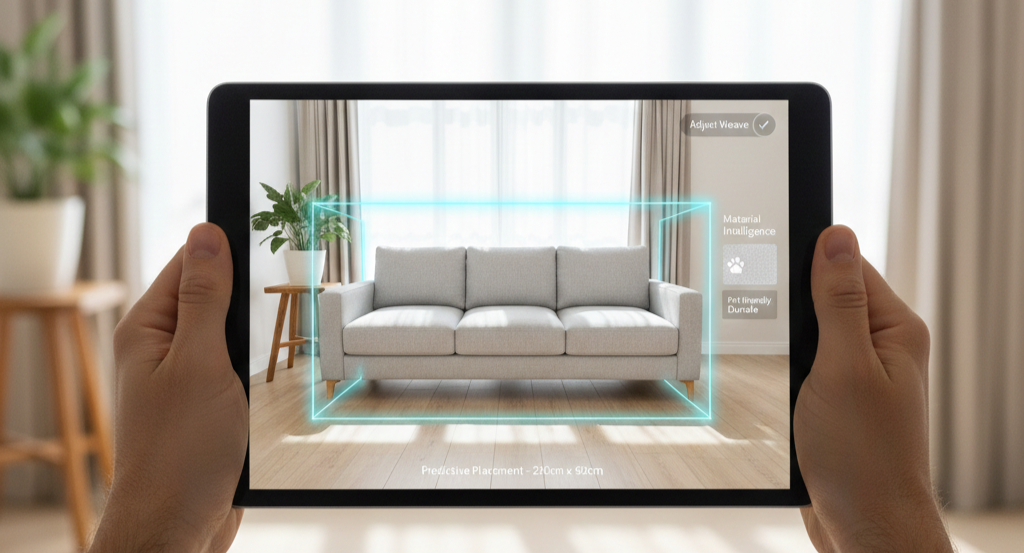
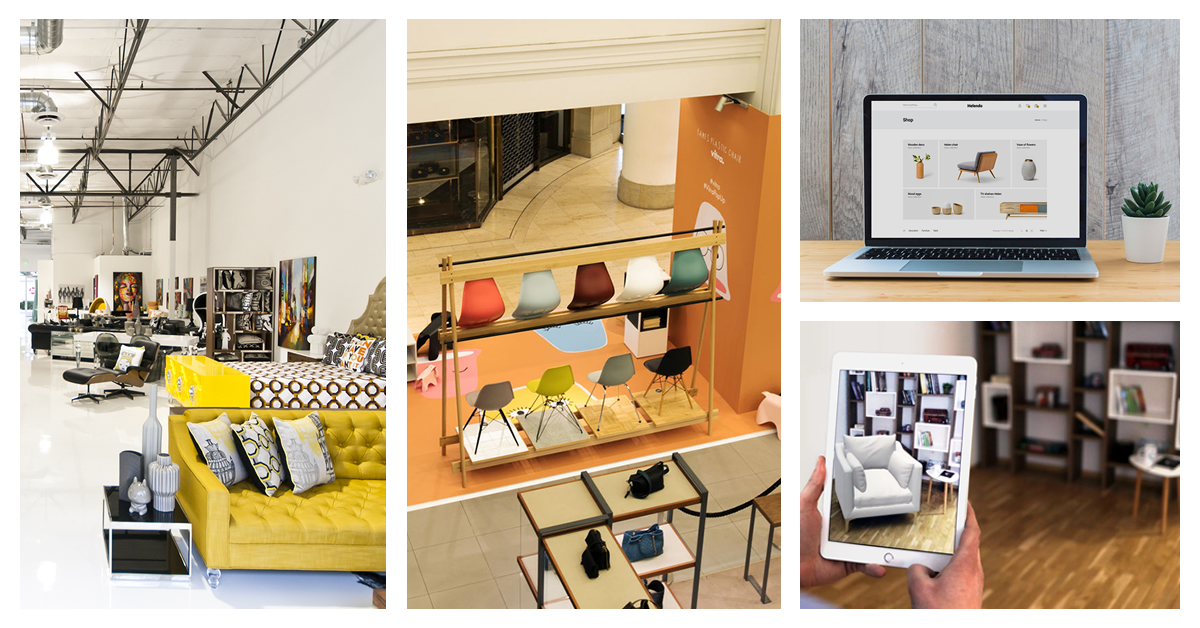
TL;DR: 3D visualization is a critical sales enablement tool for physical retail. By replacing outdated fabric swatch binders with photorealistic 3D configurators, showroom staff can visually guarantee custom orders, eliminate buyer hesitation, and offer an endless aisle of products regardless of physical floor space.
Key points:
-
The Swatch Binder is Dead: Asking customers to mentally project a 2-inch fabric swatch onto a large piece of furniture creates purchase anxiety. Showroom staff need digital tools to visually guarantee the final product.
-
Consistency Protects the Brand: Showing a low-quality 3D render on a showroom tablet will make the premium physical furniture next to it feel cheap. Photorealistic 3D is a mandatory standard for in-store tech.
-
The Endless Aisle: Physical square footage limits what you can display. 3D configurators allow sales reps to sell your entire, fully customized catalog from a single device.
Picture this. A customer walks into your showroom, loves a floor model sectional, and asks for it in green velvet with a left-facing chaise.
For decades, the answer involved pulling out a heavy binder of fabric swatches and asking the buyer to use their imagination. They had to mentally project that tiny square of velvet across a 10-foot sofa and visualize the chaise on the other side.
That approach no longer works. Modern consumers are visual buyers who spend their time configuring cars and electronics online in real time.
When a customer cannot see the exact furniture configuration they are about to spend thousands on, hesitation sets in. That hesitation stalls the close, and the showroom sale walks out the door.
Here is the shift retail leaders need to make: 3D visualization is not just a website feature. It is a powerful sales enablement tool that turns every showroom tablet into an infinite, high-fidelity digital showroom.
The Cognitive Shift: From "Trust Me" to "Show Me"
The traditional swatch binder asks a lot of the buyer. It asks them to perform a complex mental rendering, taking a postcard-sized fabric fragment and projecting it across a piece of furniture they will live with for fifteen years.
That mental load causes anxiety and second-guessing. It directly triggers the dreaded "let us think about it" response that kills high-ticket sales.
Putting 3D product visualization tools in a sales rep's hands changes this dynamic completely. Instead of asking the customer to trust them, the rep can simply show them the final product.
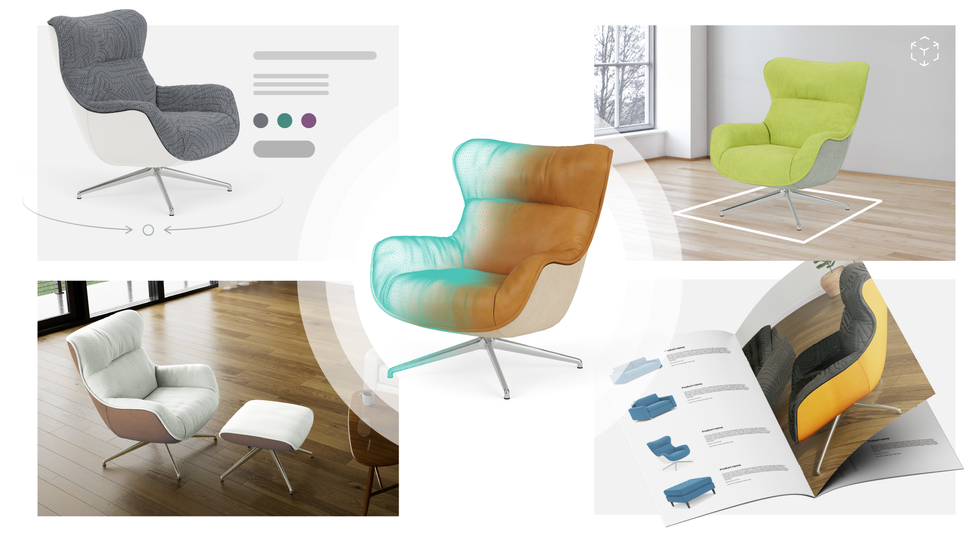
Fabric choices, leg finishes, and modular arrangements appear on the screen in seconds. The customer watches their bespoke piece come to life on a high-definition display.
The customer gets the physical reassurance of the showroom alongside digital confirmation of their exact order. Decision anxiety disappears, and average order values increase because buyers feel safe upgrading.
The Asset Quality Imperative
A persistent myth gets in the way of this shift. Retailers often assume that because the shopper is looking at the real physical item, a basic, low-quality digital configurator is fine for the floor.
That thinking is backward. When a customer stands next to a premium, handcrafted sofa, pulling out a tablet with a cartoonish 3D model creates immediate visual dissonance.
If the digital rendering looks cheap, the brand feels cheap by association. The magic breaks.
The digital representation on the showroom tablet must match the luxury of the physical item sitting next to it. This is why photorealistic 3D is non-negotiable.
Cylindo's technology captures the precise sheen of velvet, the exact grain of walnut, and the way light hits a brushed-nickel leg. Put the tablet next to the floor model, and the two match perfectly, giving your sales team total confidence.
The Omnichannel Hand-off
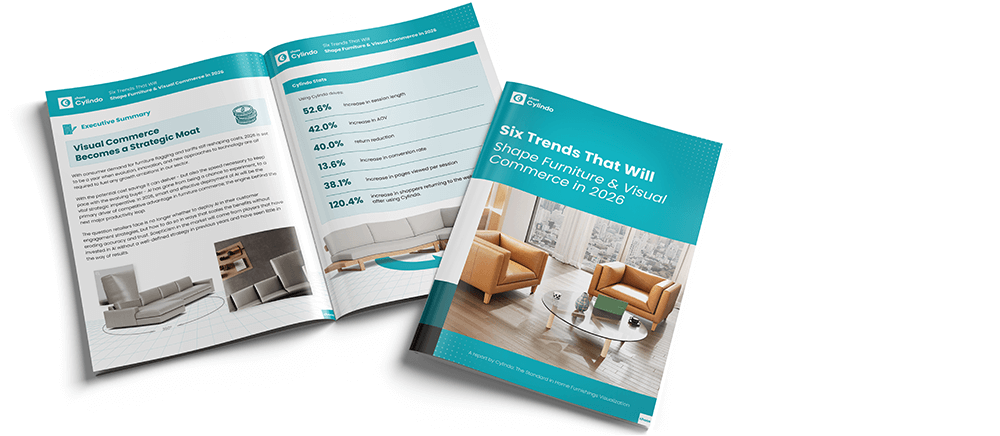
Your customers do not think in channels. They research a new sectional on their phone, dig deeper on a laptop, and eventually walk into your store on a weekend.
In most retail environments, none of that prior work carries over. The sales rep greets the customer cold and starts the discovery process from scratch, wasting precious time.
The fix is a unified omnichannel retail experience. Here is how that hand-off should work:
-
Digital Discovery: The customer configures their ideal sofa at home and saves the design.
-
Seamless Transition: The showroom rep pulls up that exact saved configuration via a shareable code.
-
In-Store Consultation: The rep uses the tablet alongside physical floor models to validate scale, adjust finishes, and close the deal.
By removing every friction point, the rep becomes a true consultant. They can swap a leg finish in real time and confidently close a five-figure order on the spot.
The Endless Aisle
Physical retail has always been constrained by square footage. Even your biggest flagship store can only display a fraction of your full catalog.
You cannot solve that problem with more real estate. You solve it with a digital endless aisle.
Bringing 3D configurators onto the sales floor gives your staff the ability to sell your entire catalog. Every fabric, frame style, and finish is instantly available at the rep's fingertips, turning the store floor into a launching pad.
The best sales reps know their real job is not to sell furniture. Their real job is to sell certainty.
The customer wants to know that their expensive purchase will look right when it arrives. Give your sales team the visual tools to guarantee that certainty, and watch your close rates climb.
Arm Your Sales Team
Do not let limited floor space limit your revenue. Cylindo's platform empowers your showroom staff to configure, display, and sell your entire catalog in photorealistic detail.
Ready to turn every tablet in your store into an infinite showroom? Let's talk.
Frequently Asked Questions
How does 3D visualization help retail sales reps?
It removes the mental burden on the buyer. Instead of asking customers to imagine how a tiny fabric swatch will look on a large sofa, reps can use 3D configurators to show the exact, customized product in real-time, reducing purchase anxiety.
Why is high-fidelity 3D important in physical showrooms?
Showing a low-quality digital model next to a premium physical product creates visual dissonance. High-fidelity 3D ensures the digital representation matches the luxury of the physical item, protecting brand perception and increasing customer trust.
What is the endless aisle in furniture retail?
The endless aisle uses digital tools, like 3D configurators on tablets, to allow physical stores to showcase and sell their entire product catalog. It bypasses the limitations of physical floor space, enabling retailers to maximize revenue per square foot.