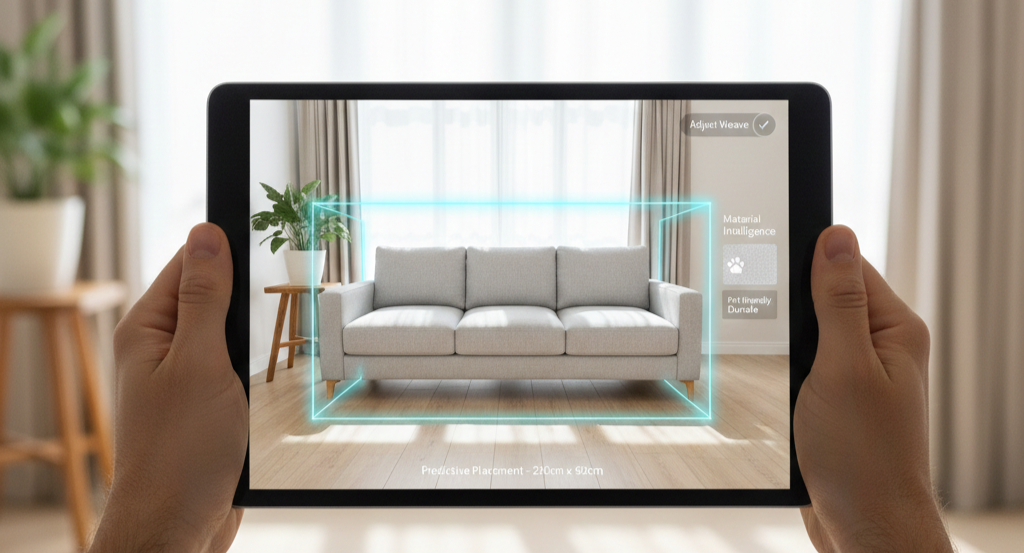

Key Points:
-
360-View Imagery is Persuasive and Interactive Content: Traditional static images lead to customer hesitation, high bounce rates, and cart abandonment due to a lack of visual confidence. 360-degree photography solves this by transforming passive content into an interactive experience, driving deeper engagement and significantly influencing conversion.
-
Interactive Imagery Builds Trust and Purchase Intent: 360-views work on a psychological level by creating a sense of ownership through control, providing high information density without visual clutter, and building trust and transparency by eliminating the fear that flaws are being hidden.
-
Scalability and Technical Performance Depend on 3D: While 360-views are effective, manual photography doesn't scale for large catalogs. Using a single 3D master model allows retailers to automatically and instantly generate consistent 360-views for all product variations. Cylindo's visual commerce platform provides this 3D-powered foundation, ensuring the necessary fast loading speeds and mobile responsiveness for a high-performance, non-clunky user experience.
Content That Fails to Connect
Online shopping should feel effortless, but too often it feels static and limited. Shoppers browse through flat product images that show only one angle or one lighting condition. Traditional photography is passive content, not persuasive content. It presents a product without giving the shopper enough information to feel confident about it.
This lack of visual depth fuels two of the biggest problems in e-commerce: high bounce rates and cart abandonment. When customers cannot fully inspect a product, they hesitate. When they hesitate, they leave. Retailers often assume these losses come from price or competition, but the deeper issue is visual confidence. Shoppers need content they can interact with, not just content they can look at.
This is where 360-view product photography changes the game. A 360 spin transforms product content from passive to interactive. Instead of being shown a product, customers can explore it. They can rotate it, examine details, and understand its proportions. That interactivity drives deeper engagement, improves trust, and dramatically influences conversion.
This guide explains why 360-views are now essential for modern e-commerce content and how to use them strategically across the funnel.

The Psychology of 360-View Engagement
Three psychological forces make 360-views remarkably effective at increasing customer engagement and purchase intent.
1. Sense of Ownership
Interactivity creates a feeling of control. When a shopper rotates a product, zooms into its stitching, or examines the underside, they feel as though they are handling it. This sense of ownership increases the likelihood of purchase because the shopper has invested effort and attention in evaluating the product. It feels more personal.
2. Information Density
A single 360 spin communicates hundreds of visual data points in seconds. Texture, shape, curvature, structural elements, and material details become visible from angles that static images cannot capture. To achieve the same level of detail with traditional photography, retailers would need dozens of images, which would clutter the page and still fail to replicate the smooth continuity of a rotating view.
360 content delivers more information with less visual noise. It is the most efficient form of product imagery for customer comprehension.
3. Trust and Transparency
Shoppers often assume static photography hides something. Limited angles raise concerns that flaws, awkward proportions, or cheap materials are being concealed. A full 360-view eliminates that distrust. Customers can inspect every corner of the product, which signals transparency and builds confidence.
Engagement metrics reinforce this. Retailers often see a two to five times increase in interaction rate and significantly longer time spent on product detail pages. Time on page is not a vanity metric in this context. It directly correlates with higher purchase intent.
Practical Content Strategy: Placement and Promotion
360-views have value only when placed correctly in the customer journey. Below are best practices for maximizing the impact of interactive photography across your content ecosystem.
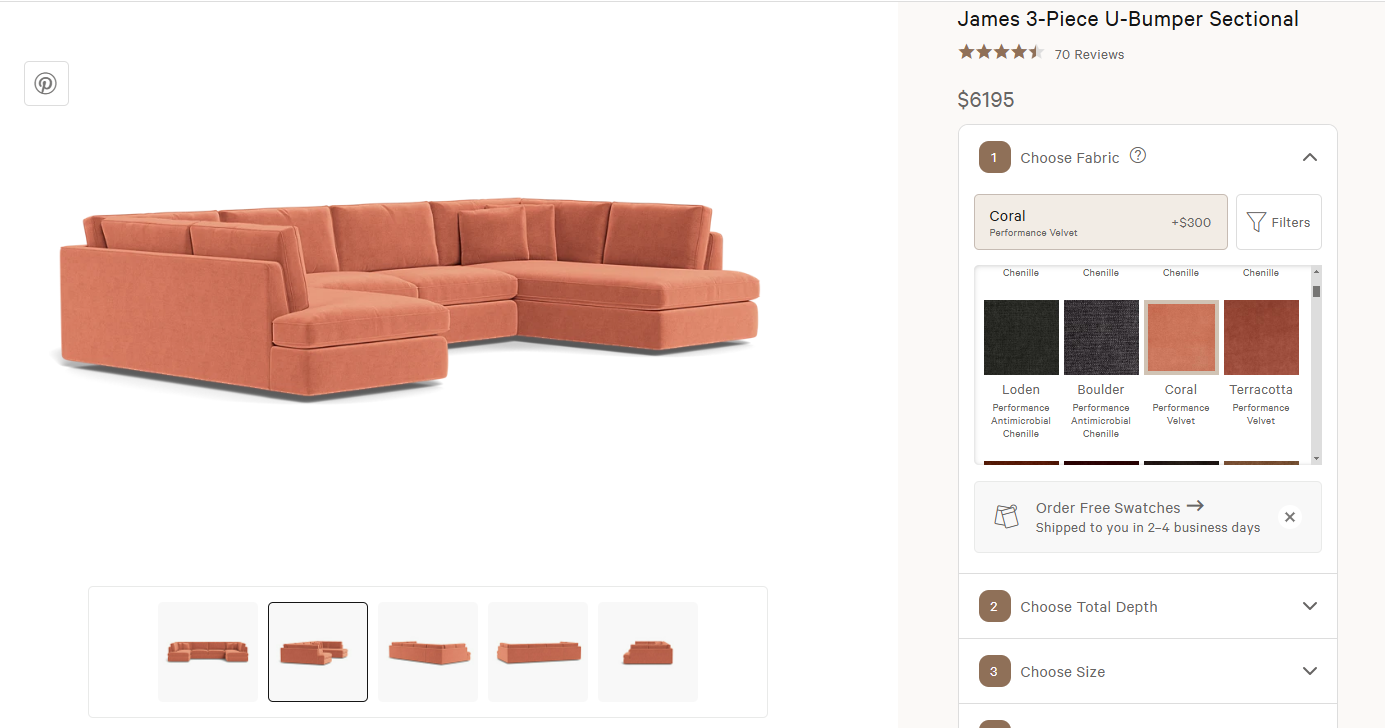
1. Product Detail Pages (PDPs)
The PDP is where purchasing decisions happen, so 360-views should play a central role.
Best practices include:
- Making the 360-view the hero asset or primary image in the media carousel
- Using clear visual cues such as “Drag to Spin”
- Allowing zoom and fine-detail inspection while the product rotates
The goal is to reduce friction. Customers should immediately understand the product through interaction, not guesswork.
2. Category and Search Results Pages
360 content can also drive engagement before shoppers even reach the PDP.
A subtle auto-spin on hover is a proven strategy to catch the eye and differentiate products in crowded category listings. Customers can preview the product more easily, which increases click-through rate and brings more qualified traffic to product detail pages.
This tactic is especially effective for visually driven categories like furniture, décor, footwear, and accessories.
3. Email and Social Media
360 content is also highly effective at capturing attention in outbound marketing.
Animated GIFs or short video loops of the 360 spin can significantly elevate email open-to-click performance and social ad engagement. Unlike static images, 360 motion stops the scroll and encourages curiosity.
The best strategy is to link viewers directly to the interactive 360 experience on the PDP, converting interest into exploration.

Technical Integration: 360 as a Scalable Content Asset
Interactive photography requires robust technical support. Without the right infrastructure, 360-views become a bottleneck rather than an advantage.
1. The Content Scalability Barrier
For retailers with large catalogs, manual 360 photography is not feasible. Traditional 360 spins require 24 to 72 individual photographs per product. Capturing, editing, and stitching these images demands significant time, budget, and operational coordination.
This process does not scale for retailers who manage hundreds or thousands of SKUs, especially when each SKU includes multiple variations.
2. The 3D Content Advantage
A 3D master model shifts the entire paradigm. Instead of manually photographing every variant, a single 3D asset can generate an infinite number of 360-views instantly. Every color, fabric, finish, and configuration can be rendered consistently.
This is the foundation of scalable content creation. Retailers can launch new collections faster, update imagery instantly, and keep visuals consistent across every customer touchpoint.
3. Performance Is Content
A slow-loading 360 viewer is bad content. It frustrates users and drives abandonment. The 3D platform powering the 360 experience must ensure:
- Fast loading speeds
- Mobile responsiveness
- Seamless integration with the PDP layout
- Smooth rotation and zooming without lag
If the interactive element is slow or clunky, it undermines the value of the experience.
Cylindo’s Key Role in Optimizing E-commerce Content
Cylindo’s visual commerce platform solves these challenges by delivering high-fidelity 360 assets optimized for instant loading, mobile performance, and consistent quality. Retailers can generate 360-views automatically from a single 3D master model and deploy them across product pages, search results, and marketing channels.
This ensures that 360-views are not just content. They are a strategic asset that supports the entire customer journey.
🚫Stop Showing Products. ✅Start Selling Them.
Are your product pages suffering from passive content and low engagement? Cylindo Curator transforms your product visualization with a scalable platform that delivers interactive, high-fidelity 360-views across your entire catalog, driving the conversion lift you need. Request a Demo to Boost Your Engagement.