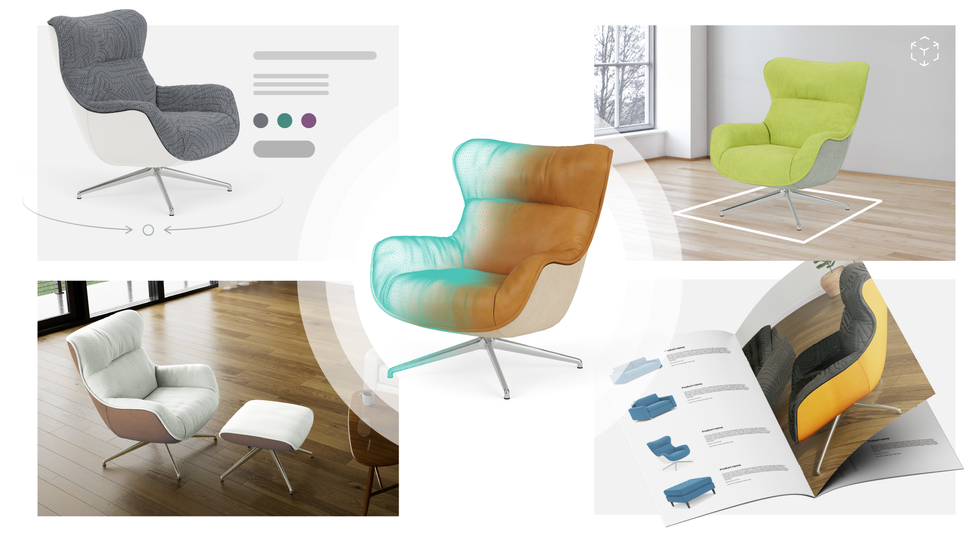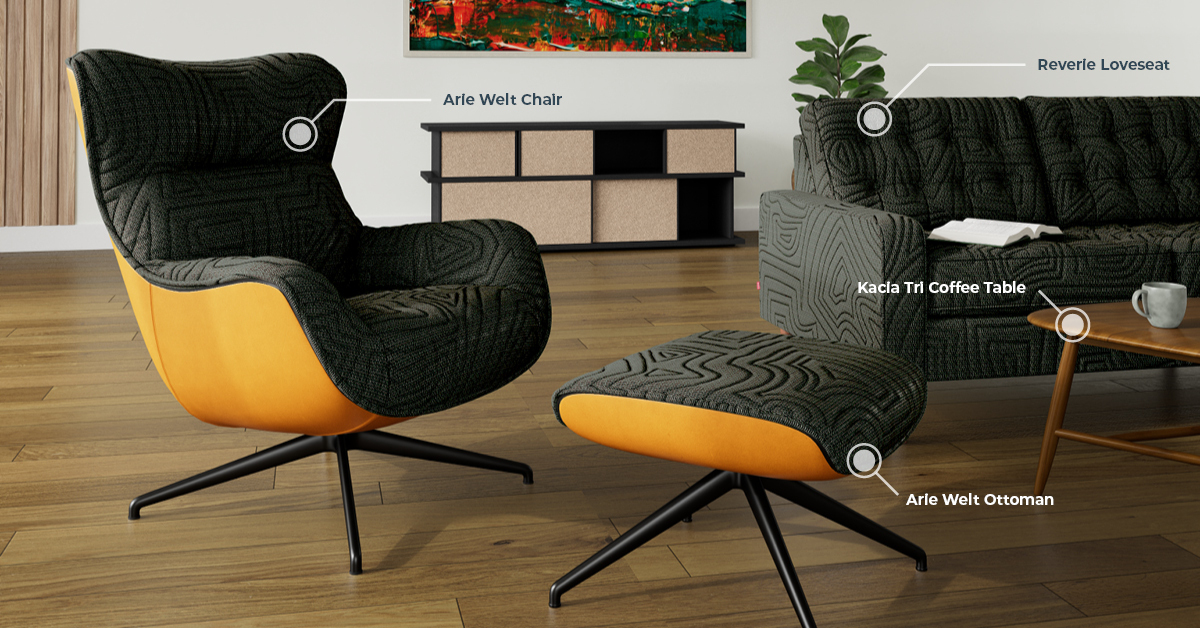
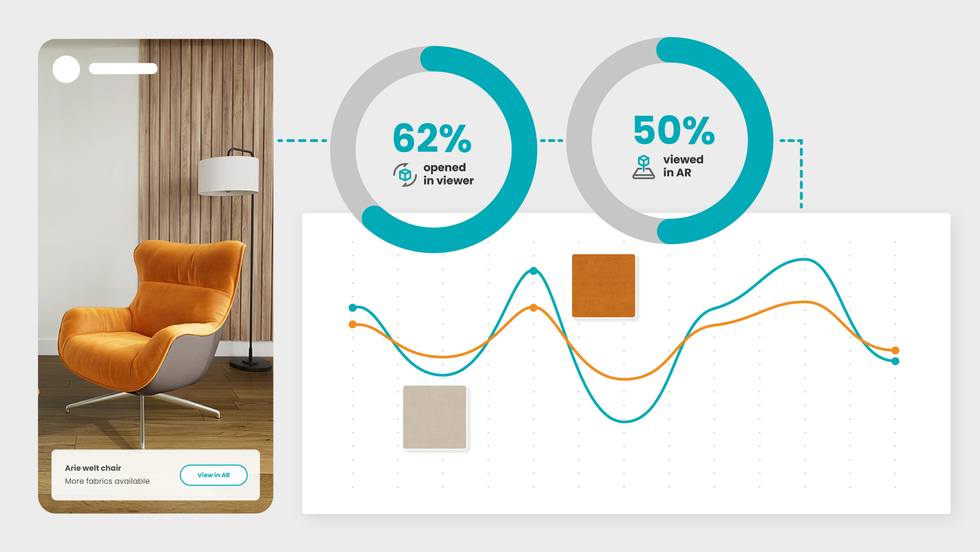
Key points:
-
Unlocking High-Intent Zero-Party Data: Traditional analytics only show what a customer ultimately bought, but 3D configurators reveal exactly what they wanted to buy. By tracking how users experiment with materials, colors, and finishes, brands gather highly explicit, zero-party data that standard clickstream analysis misses.
-
Predictive Merchandising Over Reactive Guesswork: Configurator analytics capture the "what if" behavior of shoppers. If thousands of users configure a green velvet sofa but ultimately buy a grey one, brands can identify latent demand and proactively adjust pricing, marketing, or sourcing before a trend officially peaks.
-
Supply Chain and Inventory Optimization: By feeding real-time customization data directly into the supply chain, manufacturers can align raw material procurement and production volumes with emerging consumer tastes. This early-warning system prevents costly overproduction, warehouse bloat, and forced discounting.
The Death of the Guessing Game
Traditional e-commerce analytics tell you what a customer bought. Configurator analytics tell you what a customer wanted to buy.
That distinction is far more powerful than it first appears. Standard reporting tools measure completed transactions, page views, and conversion rates, but they leave a vast amount of consumer intent invisible. When a shopper spends three minutes swapping fabrics, testing armrest styles, rotating a 3D model, and experimenting with leg finishes, they are revealing a detailed roadmap of their preferences, even if they never click “Add to Cart.”
Every configuration tells a story. It reflects aesthetic taste, budget sensitivity, material preference, and functional priorities. When aggregated across thousands of sessions, those interactions reveal patterns that go far beyond sales data alone.
The central argument is simple: 3D configurators are the most underutilized data collection tools in retail. By analyzing customization behavior, brands can move from reactive inventory management to predictive merchandising. Instead of guessing what customers will want next season, retailers can observe what they are already trying to build today.
 Zero-Party Data Is the New Gold
Retailers are operating in a dramatically different data environment than they were just a few years ago. With third-party cookies effectively eliminated and privacy regulations tightening globally, acquiring accurate, high-intent consumer data has become both more difficult and more expensive. Paid acquisition costs continue to rise, and attribution models grow increasingly fragmented.
In this landscape, zero-party data has become one of the most valuable assets a brand can own. Zero-party data is information that customers willingly and intentionally share in exchange for value. Unlike inferred behavioral data, it is explicit, permission-based, and deeply contextual.
A 3D product configurator functions as a highly efficient zero-party data engine. When shoppers customize a product, they voluntarily reveal their tastes, constraints, and aspirations because doing so helps them design something that fits their needs. They are not filling out a survey or answering a questionnaire. They are building their ideal product.
That behavioral data is significantly richer than standard metrics such as page views or bounce rates. It provides insight into consumer psychology that simple clickstream analysis cannot deliver by tracking:
- Which materials and finishes receive the highest amount of interaction time.
- Which specific configurations are frequently abandoned at checkout.
- Which combinations are repeatedly explored but rarely purchased.
For example, if users consistently test premium finishes but revert to base options before completing a purchase, that behavior may signal price sensitivity rather than lack of interest. This distinction is critical. It suggests demand exists, but the pricing, messaging, or lead times may require adjustment.
In this sense, configurator analytics transform visual engagement into strategic intelligence.
Predicting the “What If”: From Exploration to Trend Forecasting
Consider a practical scenario. A brand launches a modular sofa with fifty fabric options, including a bold “Emerald Velvet” alongside more traditional neutrals. Within weeks, configurator analytics reveal that forty percent of users in the Pacific Northwest experiment with Emerald Velvet during their customization process. However, the majority ultimately purchase Charcoal Grey, likely due to price, availability, or delivery timelines.
Traditional sales data would conclude that grey is the dominant preference in that region. Configurator analytics reveal something more nuanced and far more valuable: there is significant latent demand for green velvet.
This insight shifts the strategic conversation across the entire organization:
- Marketing teams can develop targeted campaigns that highlight Emerald Velvet in lifestyle settings relevant to that specific region.
- Product teams can explore sourcing a more affordable green fabric or negotiating better lead times.
- Merchandising teams can adjust pricing strategies to test whether lowering the premium narrows the gap between experimentation and conversion.
Rather than waiting for green velvet to become a top seller before investing further, the brand can respond proactively to early signals of intent. The configurator effectively captures the “what if” behavior of shoppers, revealing not just what they buy, but what they aspire to buy. Trend forecasting, therefore, becomes less speculative and more evidence-based.
Supply Chain and Inventory Optimization
Beyond marketing and trend forecasting, configurator analytics have significant implications for supply chain and inventory management.
Overproduction of the wrong variants remains one of the most expensive problems in retail. When brands misjudge demand for certain colors, materials, or configurations, they end up with warehouse bloat, excess storage costs, and eventual deep discounting that erodes margins.
Configurator interaction data offers a corrective mechanism. By feeding behavioral insights back into the supply chain, manufacturers can align raw material procurement and production schedules with emerging consumer preferences:
-
Proactive Sourcing: If configurator data indicates a steady increase in experimentation with lighter wood finishes—even before sales spike—procurement teams can adjust raw material orders accordingly.
-
Waste Reduction: If a particular arm style is rarely selected during customization, production volumes can be reduced before excess inventory accumulates.
This creates a more responsive, data-informed manufacturing process. Cylindo Analytics enables this shift by seamlessly tracking user behavior within the 3D viewer and translating it into actionable business intelligence. Because configurator interactions are already happening within the digital experience, capturing and analyzing that data does not require intrusive tracking or additional customer friction.
When supply chain teams gain visibility into configurator trends, they are no longer reacting to yesterday’s sales. They are preparing for tomorrow’s demand.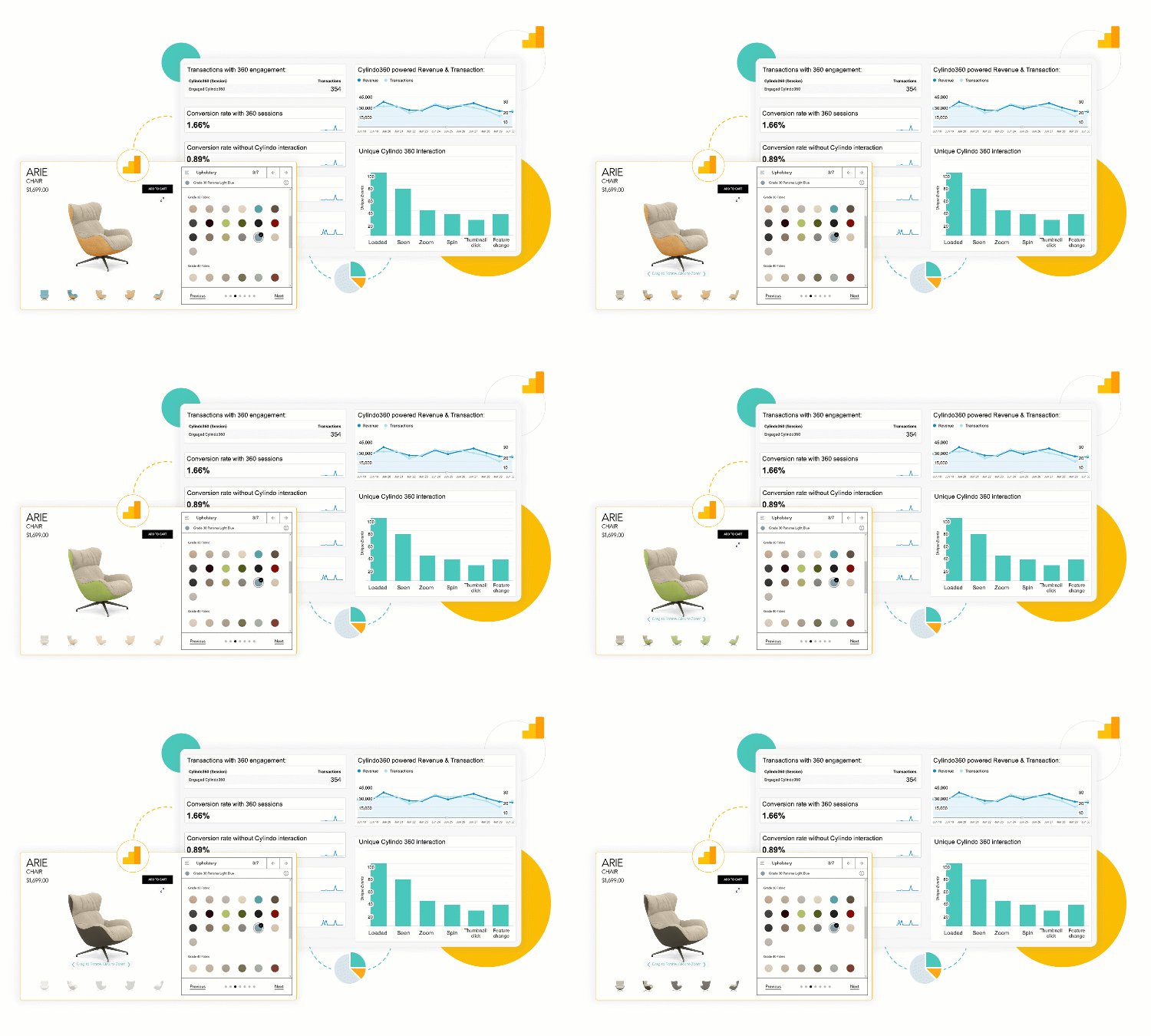
Turning Engagement into Competitive Advantage
Many retailers invest in 3D configurators primarily as conversion tools, and they are effective in that role. Interactive visualization increases confidence, reduces hesitation, and improves customer satisfaction. However, stopping at conversion optimization leaves substantial value untapped.
Visual commerce is inherently a two-way street. Brands present their products in immersive detail, and customers respond by interacting with those products in highly specific ways. Those interactions form a feedback loop that, when properly analyzed, becomes a competitive advantage.
The retailers that will lead in 2026 are not simply using 3D to sell what they already have in stock. They are using it to determine what they should design, source, and build next. They are transforming configurators from aesthetic tools into predictive engines.
When organizations treat configurator analytics as a core input to planning, they empower their teams to:
-
Reduce guesswork by grounding decisions in live, real-time interaction data.
-
Limit waste by aligning inventory directly with consumer intent.
-
Increase agility by spotting trend shifts months before they appear in sales reports.
Stop Flying Blind
Retail has historically relied on retrospective analysis. Sales reports reveal what performed well last quarter. Inventory audits expose which variants failed to move. Forecasts extrapolate from historical data.
Configurator analytics introduce a forward-looking dimension to that equation. They illuminate consumer intent before it materializes as revenue, providing brands with early indicators of preference shifts, unmet desires, and emerging trends.
In a competitive environment where margins are tight and customer expectations are high, that visibility is invaluable.
The smartest retailers in 2026 will not simply measure what sold. They will measure what was configured, what was explored, and what was almost chosen. They will treat visualization as both a sales channel and a data engine.
Turn Visualization into Business Intelligence
Stop leaving valuable customer intent data on the table. With Cylindo Analytics, gain deep insights into how your customers interact with your 3D configurators to drive smarter merchandising and supply chain decisions.